Directions Asia 2026- Redefining the Future of ERP, AI and the Microsoft Partner Ecosystem
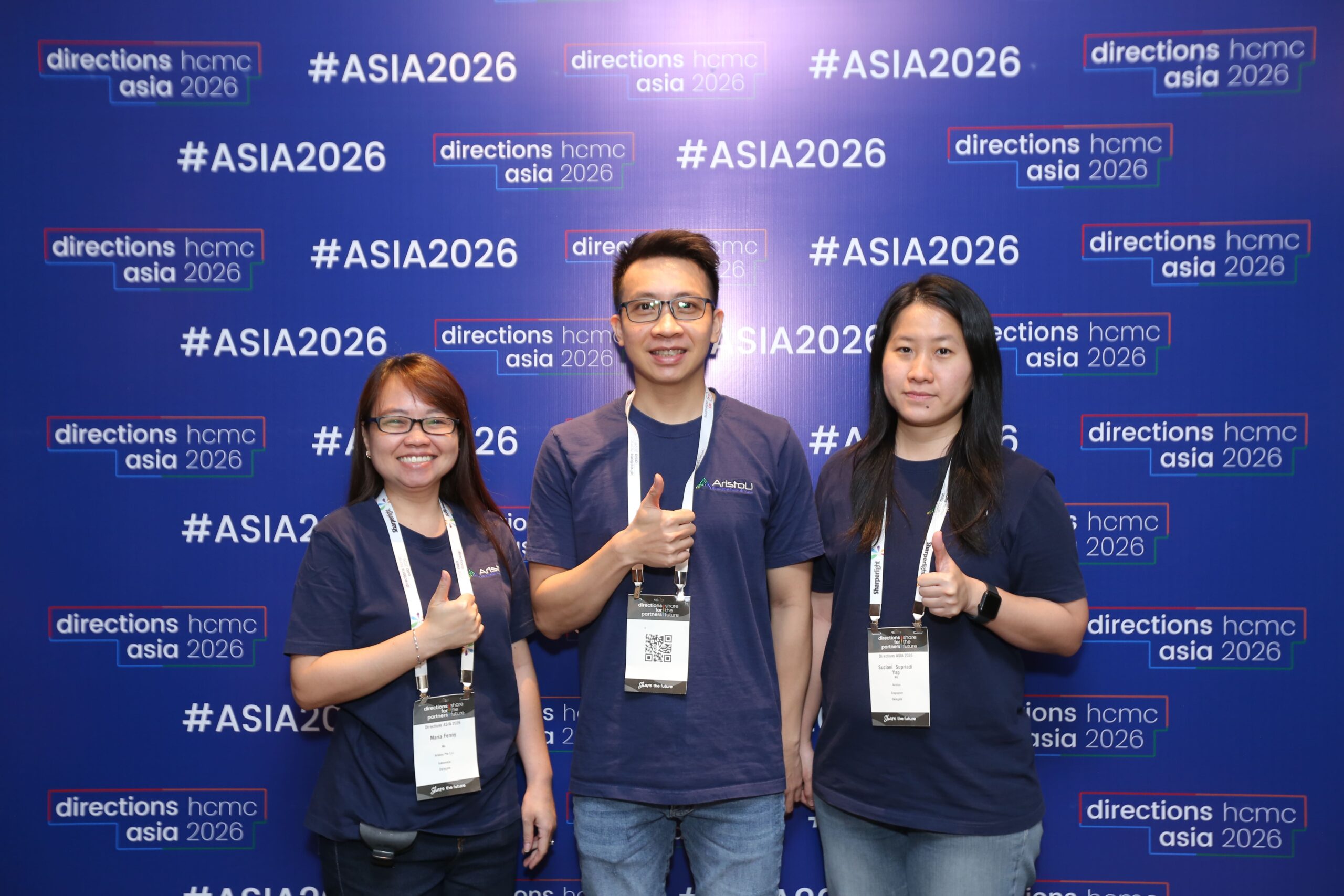
Team Aristou is at Directions Asia 2026 HCMC! 574 attendees, 32 countries and 1 very clear message.
The Business Central community gathered in Ho Chi Minh City, Vietnam on the 13-15th May 2026 for Directions Asia 2026. Microsoft, partners, vendors, sponsors and the best speakers in the ecosystem are all here.
Directions Asia 2026 focused on the transition of Microsoft Dynamics 365 Business Central from a static system of record to an actionable, autonomous AI-driven ERP.
The event marked a critical maturity shift, emphasizing real-world business impact and agentic AI foundation.
Our team consists of Suci, Maria and Hoang representing Aristou at this year’s Directions Asia 2026. This article is a wrap up of their reflections, learnings and sharings they took away from the week at DA2026.
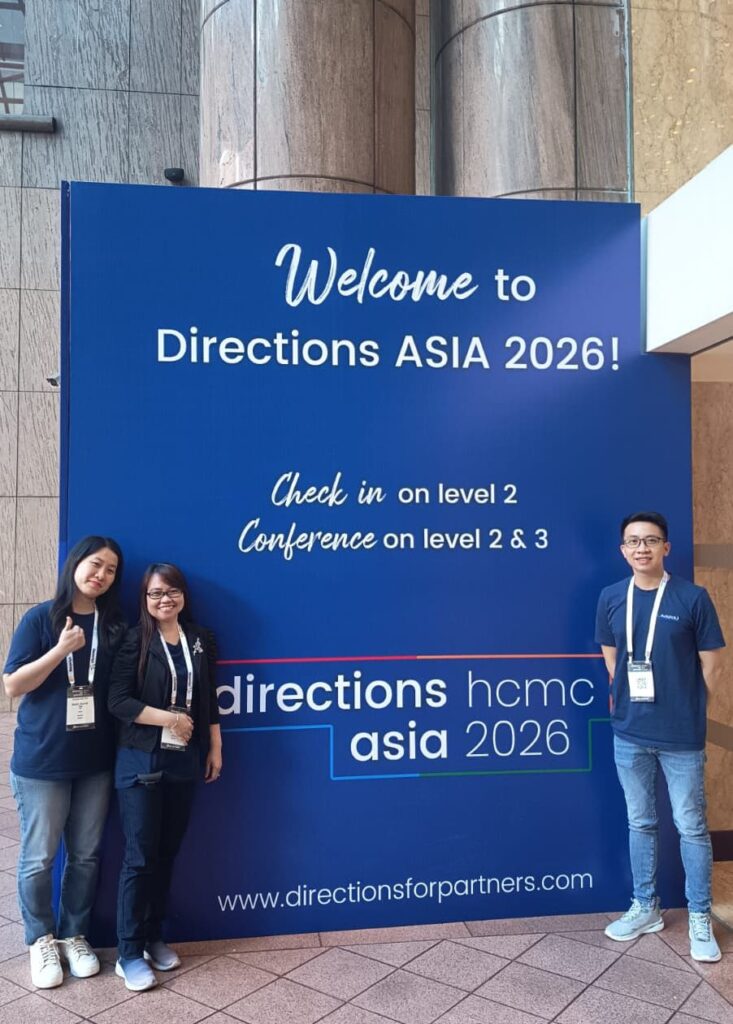
Team Aristou at Directions Asia 2026 (From Left): Suci, Maria, Son
The Aristou team returned with valuable insights into the future of Microsoft Dynamics 365 Business Central, AI, and the evolving role of technology partners.
While each attendee explored different sessions and solution areas, several common themes emerged throughout the event.
Upon their return, we asked them 3 key questions to sum up their trip:
-
What was your biggest takeaway from Directions Asia?
-
What new things did you learn about Business Central and AI/Agents?
-
How can we apply these learnings to Aristou and our customers?
While each team member attended different sessions from our various partners; i.e: NaviPartner, Tasklet, Continia, Boltrics and explored different areas of interest, several common themes emerged, shared below.
More importantly, these themes highlight where Microsoft is heading and what businesses should be preparing for next.
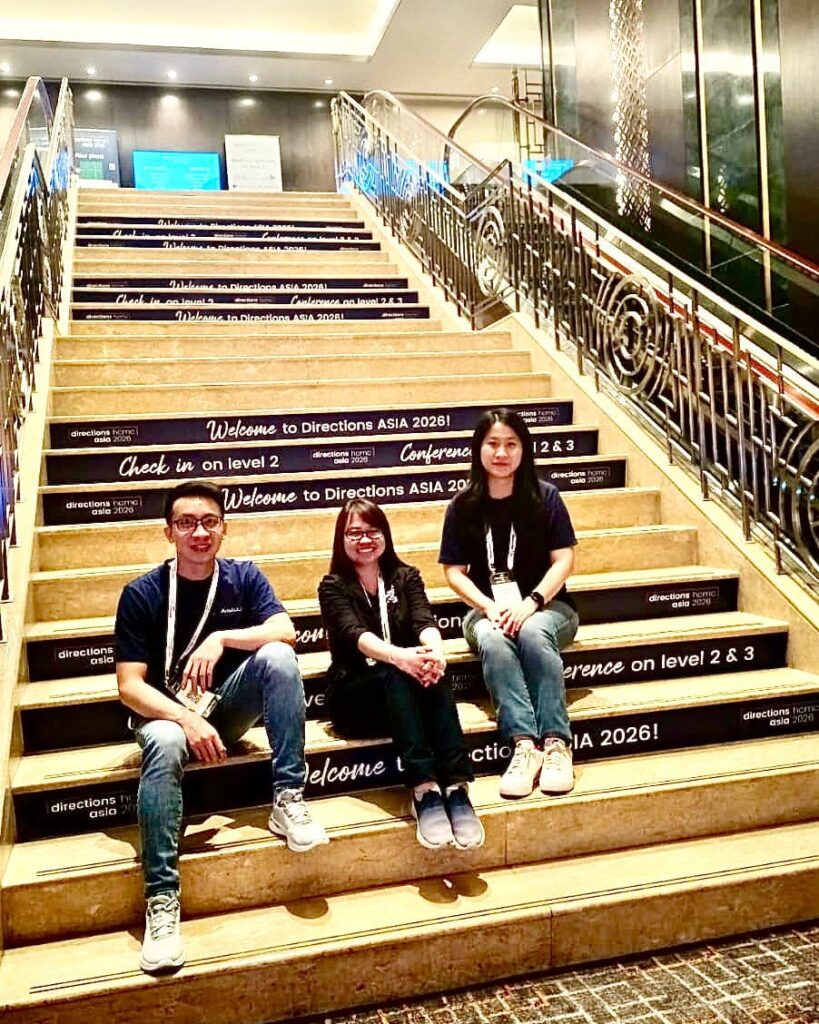
Team Aristou at Hotel Lobby (From Left): Son, Maria, Suci
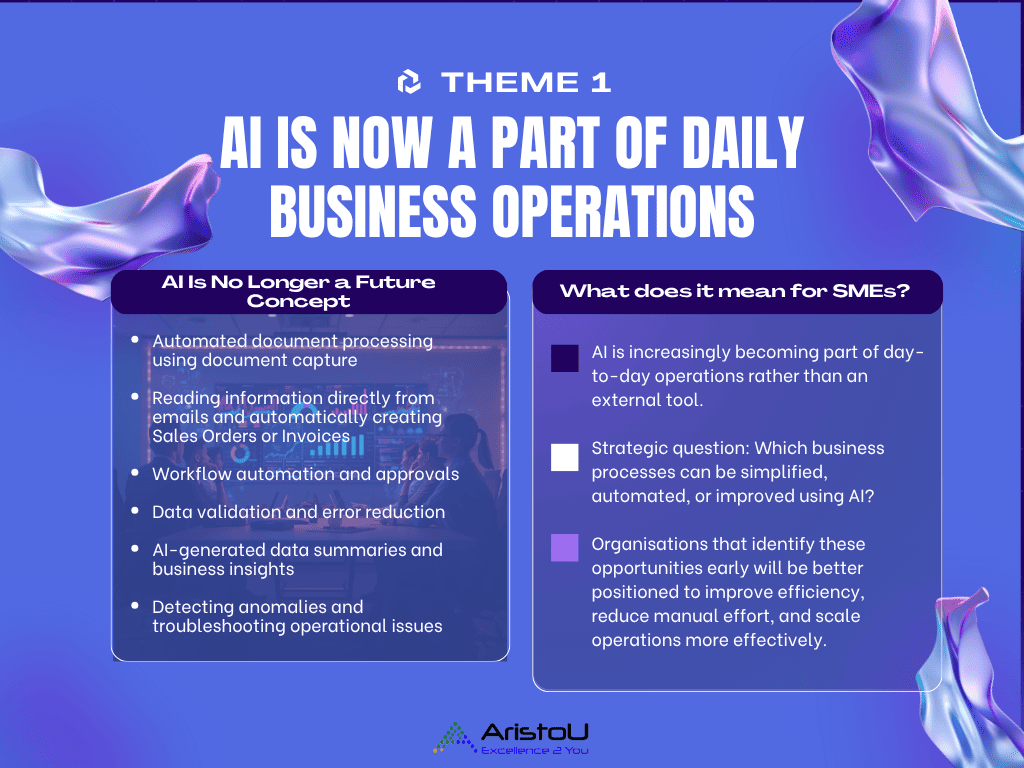
Theme 1: AI Is No Longer a Future Concept. It’s now a part of daily business operations.
The clearest message across the board in Directions Asia was that AI is rapidly becoming embedded into the tools businesses use every day.
Maria shared AI dominated almost every conversation at Directions ASIA 2026, with clear messaging from Microsoft, partners, developers and customers consistent throughout: AI is no longer a future concept in business software strategy. It is rapidly becoming embedded into the way organisations operate, make decisions, and scale.
For the majority of organizations, AI has often been viewed as a standalone tool used for content generation, internet searches or productivity assistance.
Son noted that Microsoft is embedding AI directly into standard Business Central through Copilot, AI Agents, and automation capabilities that can actively assist with business processes and decision-making.
Some of the capabilities Suci noted and highlighted during the conference included:
-
Automated document processing using document capture
-
Reading information directly from emails and automatically creating Sales Orders or Invoices
-
Workflow automation and approvals
-
Data validation and error reduction
-
AI-generated data summaries and business insights
-
Detecting anomalies and troubleshooting operational issues
What does this mean for SMEs?
From processing incoming documents and creating sales orders to validating data and identifying anomalies, AI has become part of day-to-day operations rather than an external tool. Businesses should begin thinking beyond “How can AI help my employees?”
Instead, the more strategic question is: “Which business processes can be simplified, automated, or improved using AI?”
Organisations that identify these opportunities early will be better positioned to improve efficiency, reduce manual effort, and scale operations more effectively.
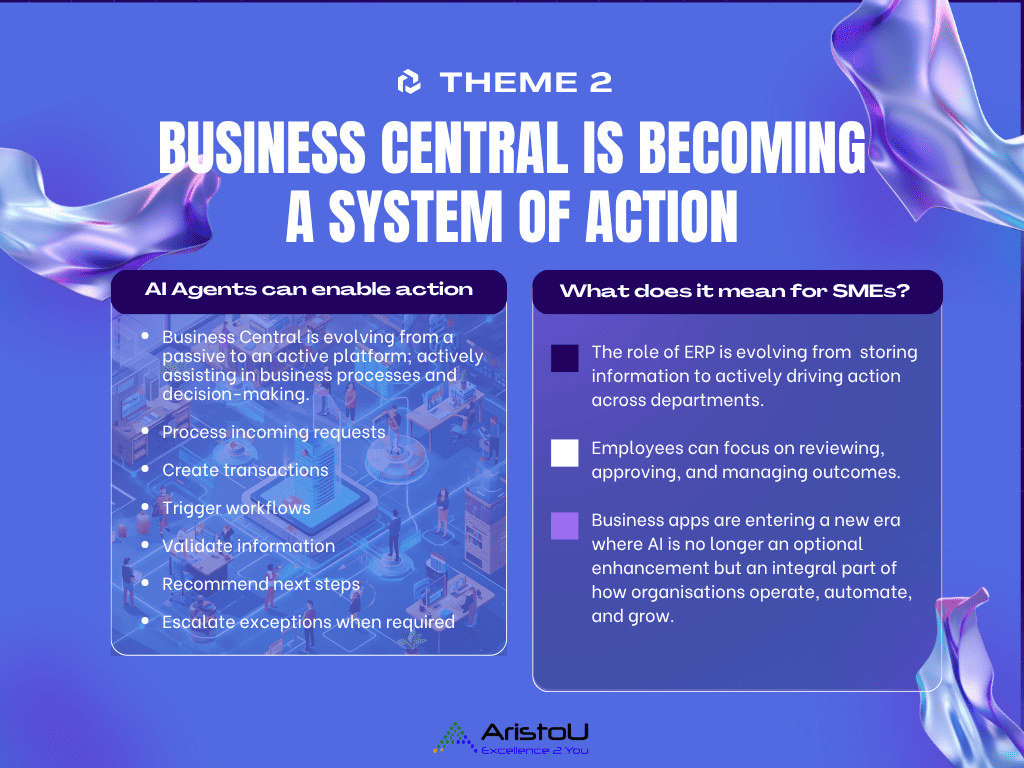
Theme 2: Business Central Is Becoming a System of Action
One of the most significant developments discussed throughout the conference was the growing role of AI Agents within Business Central.
Traditionally, ERP systems have focused on storing information and supporting processes. Son found it helpful for customers with how Business Central is evolving from a system that simply records transactions into a platform that can actively assist with business processes and decision-making.
The next evolution is enabling ERP systems to take action.
According to Suci, AI Agents can potentially:
-
Process incoming requests
-
Create transactions
-
Trigger workflows
-
Validate information
-
Recommend next steps
-
Escalate exceptions when required
This represents a fundamental shift in how organisations interact with business software.
What does this mean for SMEs?
This shift has the potential to reduce administrative overhead, accelerate response times and improve customer experiences.
For businesses running Microsoft Dynamics 365 Business Central, the shift is significant. The role of ERP is evolving from simply storing information to actively driving action across finance, operations, customer service, procurement, and reporting.
Rather than employees spending time performing repetitive administrative tasks, they can focus on reviewing, approving and managing outcomes.
Collectively, these observations reinforce a clear message: Business applications are entering a new era where AI is no longer an optional enhancement but an integral part of how organisations operate, automate, and grow.
Theme 3: The Conversation Is Shifting from Features to Outcomes
One particularly interesting takeaway Suci shared was how the role of technology partners is evolving. As low-code tools, AI-assisted development, and automation become more accessible, creating solutions becomes easier and faster than ever before.
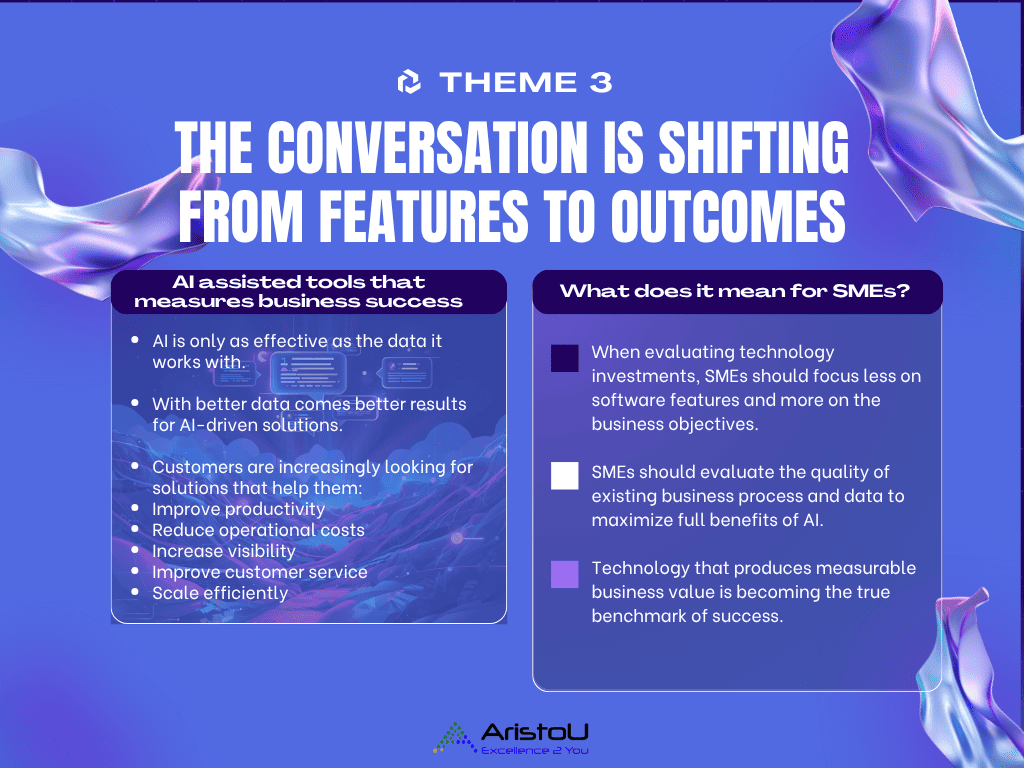
The differentiator is no longer the technology itself. The differentiator is the business outcome.
Customers are increasingly looking for solutions that help them:
-
Improve productivity
-
Reduce operational costs
-
Increase visibility
-
Improve customer service
-
Scale efficiently
Technology remains important, but measurable business value is becoming the true benchmark of success.
Beyond new AI features, Maria also observed how existing AI capabilities continue to mature. She noted that ongoing advancements in AI are significantly improving OCR (Optical Character Recognition) technology, resulting in higher levels of data accuracy, integrity, and reliability.
What does this mean for SMEs?
For customers, this translates into greater confidence in AI adoption and more dependable business outcomes. When evaluating technology investments, SMEs should focus less on features and more on the outcomes they want to achieve.
The most successful digital transformation projects begin with business objectives, not software capabilities.
An example Son gave was: Users are able to automatically create Sales Orders from customer-provided information and post them automatically after confirmation. This results in improvement and enhancement of the user experience and improve overall customer satisfaction.
For customers, this translates into greater confidence in AI adoption and more dependable business outcomes.
Partner learnings: NaviPartner and Tasklet Innovation Across the Business Central Ecosystem
While Microsoft’s AI vision was a dominant topic throughout Directions Asia, the event also highlighted how Independent Software Vendors (ISVs) within the Dynamics ecosystem are embracing the same transformation.
Across retail, hospitality, warehousing, and business operations, solution providers are increasingly embedding automation, AI, and intelligent user experiences directly into their applications.
Navipartner: Reimagining Customer Experiences with AI
One notable example came from Navipartner, a long-standing Microsoft partner and trusted solution provider within the retail and hospitality sector. Suci attended Navipartner’s key note sessions.
Among the latest innovations showcased was the introduction of QR code ordering capabilities for restaurants, enabling customers to browse menus, place orders, and interact with businesses more seamlessly through digital channels.
More significantly, Navipartner also previewed an upcoming AI Voice Agent, currently under development and expected to be released in the future.
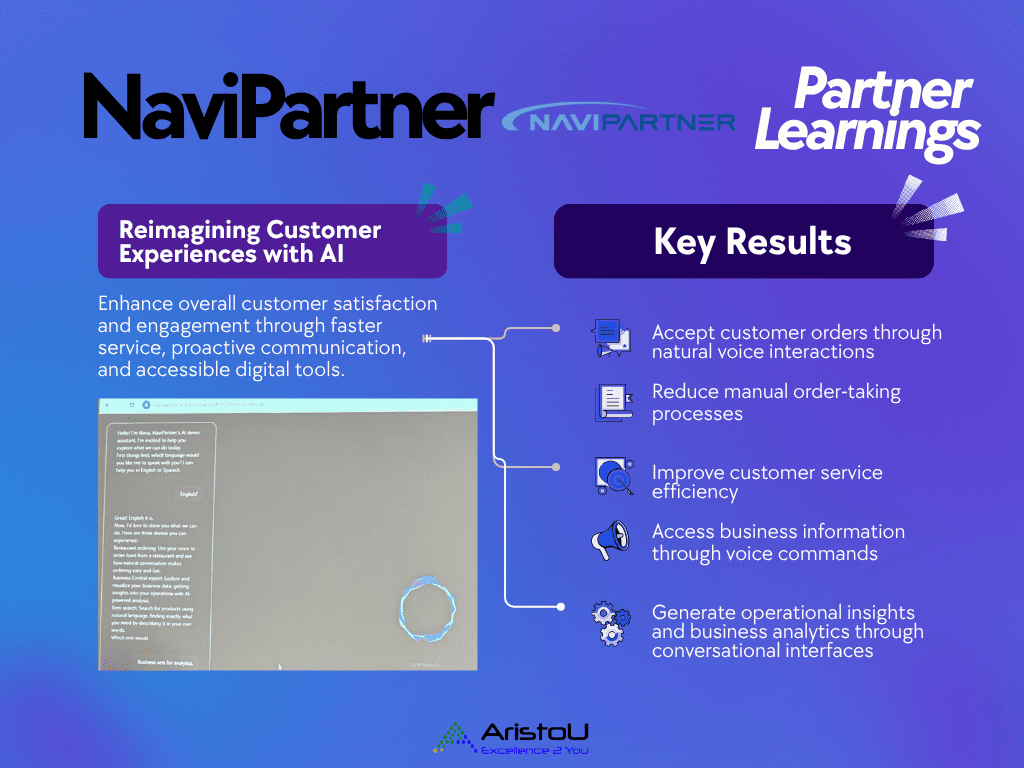
The vision behind this capability extends beyond simple voice ordering. Through conversational AI, businesses may eventually be able to:
-
Accept customer orders through natural voice interactions
-
Reduce manual order-taking processes
-
Improve customer service efficiency
-
Access business information through voice commands
-
Generate operational insights and business analytics through conversational interfaces
While still in development, this innovation reflects a broader industry trend: moving beyond traditional screens and interfaces towards more intuitive, AI-driven business interactions.
Through conversational AI, businesses may eventually be able to:
-
Accept customer orders through natural voice interactions
-
Reduce manual order-taking processes
-
Improve customer service efficiency
-
Access business information through voice commands
-
Generate operational insights and business analytics through conversational interfaces
While still in development, this innovation reflects a broader industry trend: moving beyond traditional screens and interfaces towards more intuitive, AI-driven business interactions.
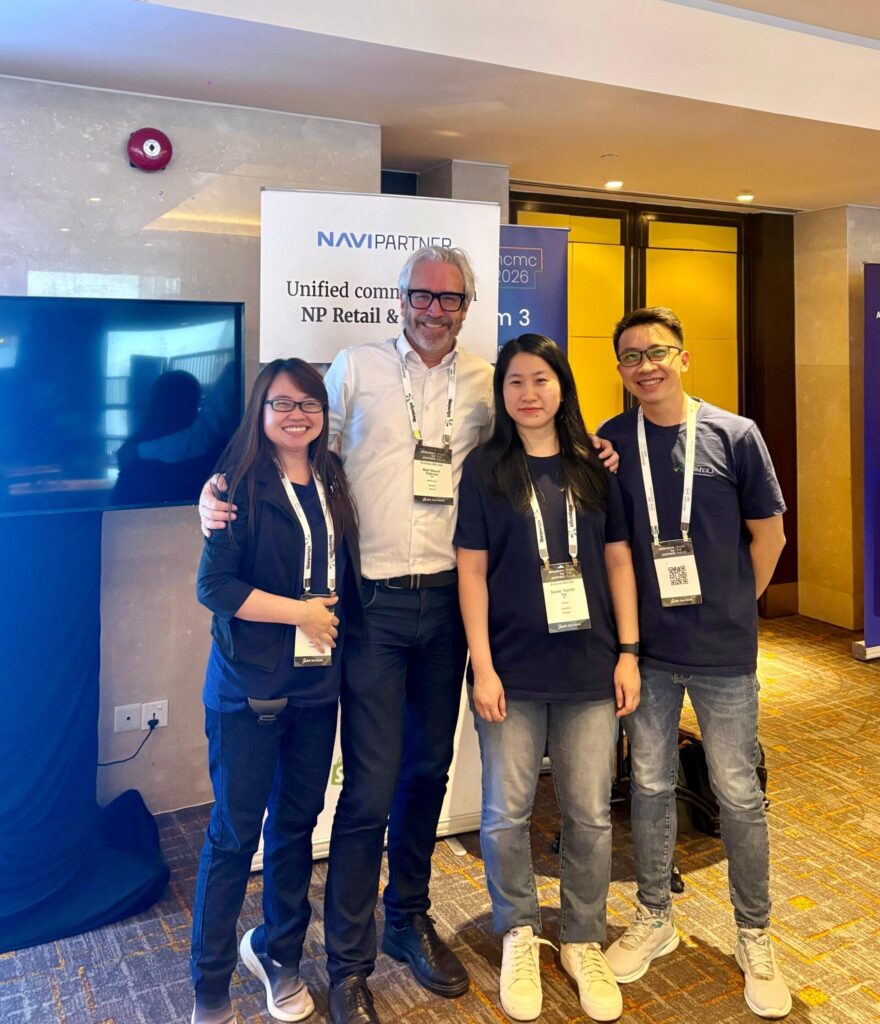
Team Aristou with NaviPartner (From Left): Maria, Mark (NaviPartner), Suci, Son
Tasklet: Enhancing Warehouse Mobility and Solution Adoption
Maria attended Tasklet’s key note sessions. She noted an interesting innovation from Tasklet, one of Aristou’s key warehouse management solution partners, a warehouse mobility solution widely used alongside Business Central for barcode scanning and warehouse management processes.
Tasklet showcased its upcoming Tasklet Simulator, designed to help partners and customers demonstrate warehouse management and barcode scanning workflows without requiring physical mobile scanning devices.
During the conference, Tasklet showcased its upcoming Tasklet Simulator, designed to help partners demonstrate warehouse management capabilities without requiring physical mobile scanning devices.
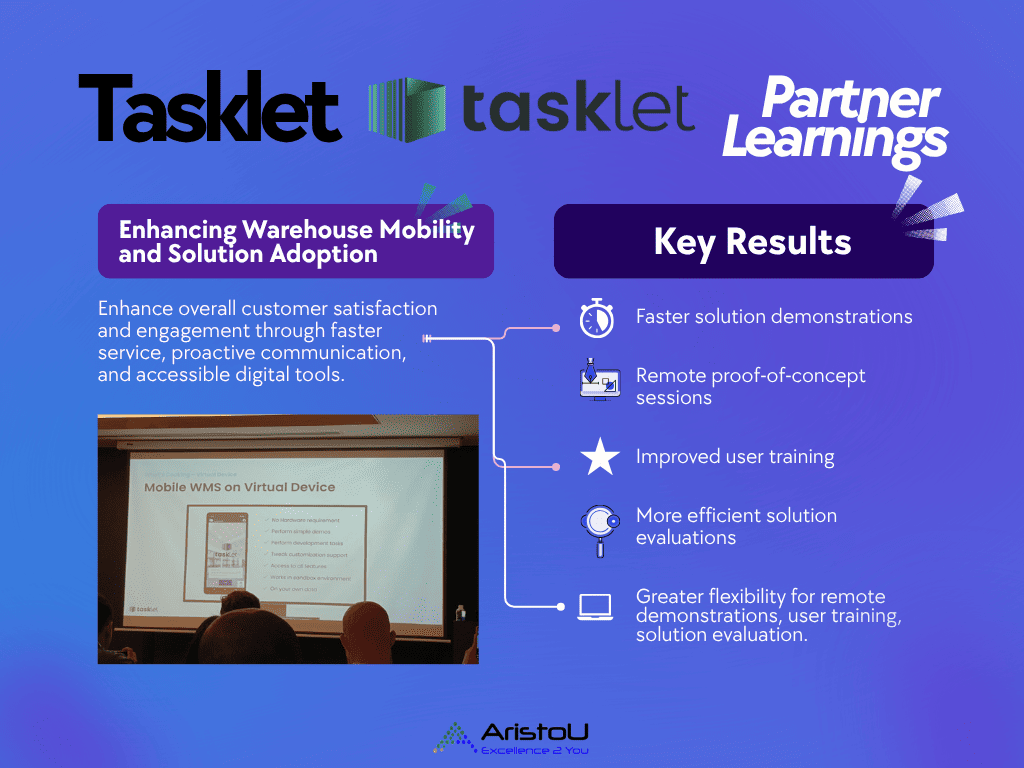
For businesses evaluating warehouse solutions, this creates opportunities for:
-
Faster solution demonstrations
-
Remote proof-of-concept sessions
-
Improved user training
-
More efficient solution evaluations
While the simulator is currently undergoing upgrades before its relaunch, it demonstrates how solution providers continue to innovate not only in functionality but also in customer experience and adoption.
For solution providers and customers alike, this creates greater flexibility for remote demonstrations, proof-of-concepts, user training, and solution evaluation.
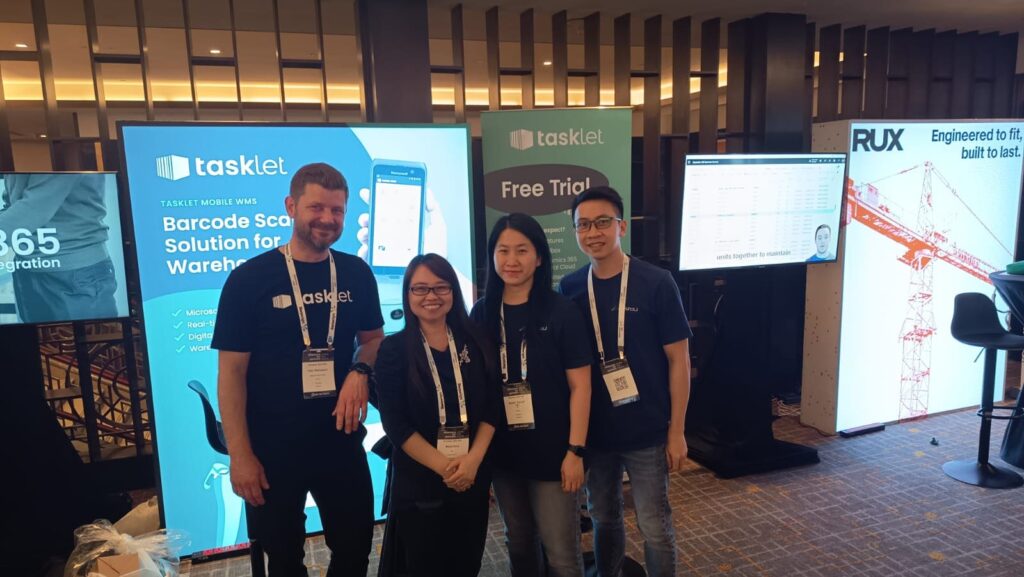
Team Aristou with Tasklet (From Left): Claus (Tasklet), Maria, Suci, Son
Final Team Reflections
Directions Asia 2026 delivered a clear message to the Microsoft partner community: the future of biz apps will be defined by a fundamental shift in how technology is built, deployed, and consumed.
As AI capabilities become increasingly embedded across Microsoft business applications, organisations are moving beyond simply capturing and managing information.
For us, Directions Asia 2026 reinforced a core value Aristou holds deep: Technology should solve business problems, not create additional complexity.
The next generation of ERP solutions will be expected to analyse, recommend, execute, and continuously optimize business processes with minimal human intervention.
Whether through AI-powered automation, Business Central innovations, or industry-specific solutions, our focus remains on helping customers work smarter, operate more efficiently, and achieve meaningful business outcomes.
The future of ERP is not simply about recording transactions, but about creating intelligent systems that help businesses make better decisions, automate repetitive processes, and unlock new opportunities for growth.
The technology is evolving rapidly; but the goal remains the same: helping businesses become more productive, agile, and future-ready.
Are you ready?
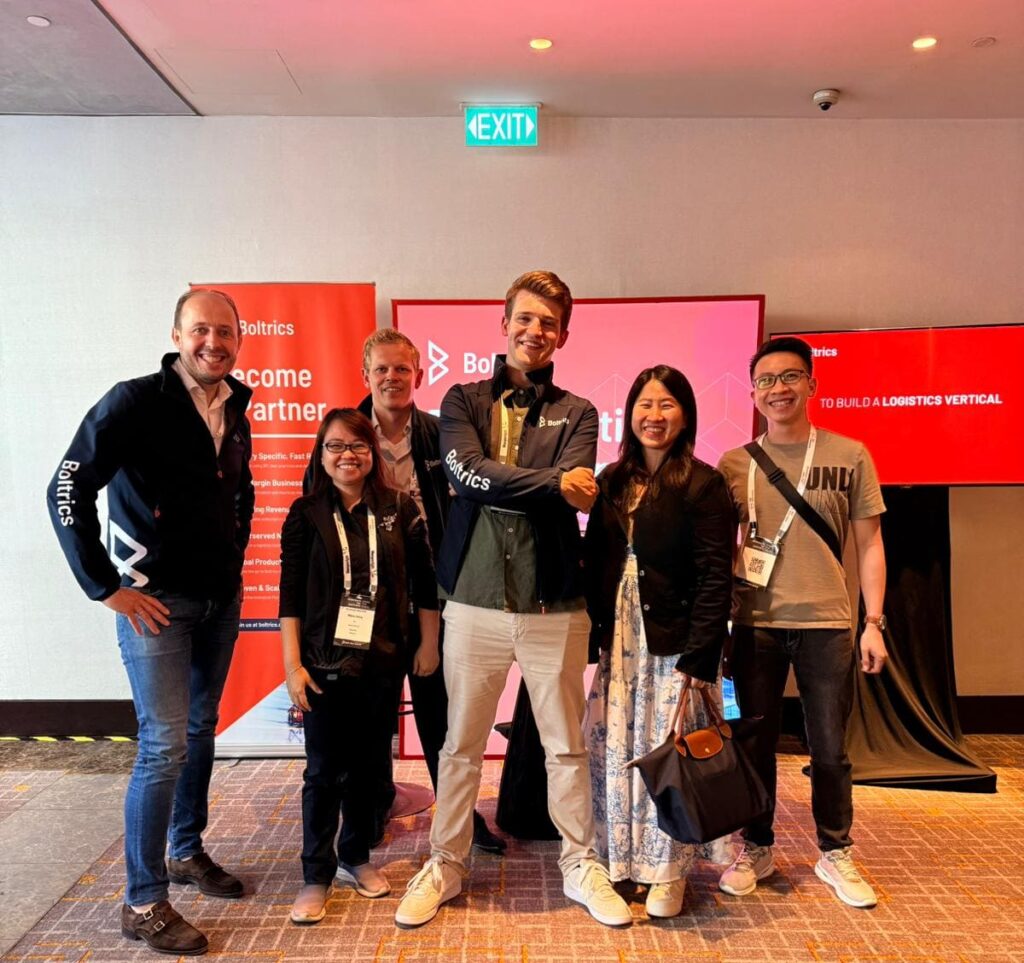
Team Aristou with Boltrics
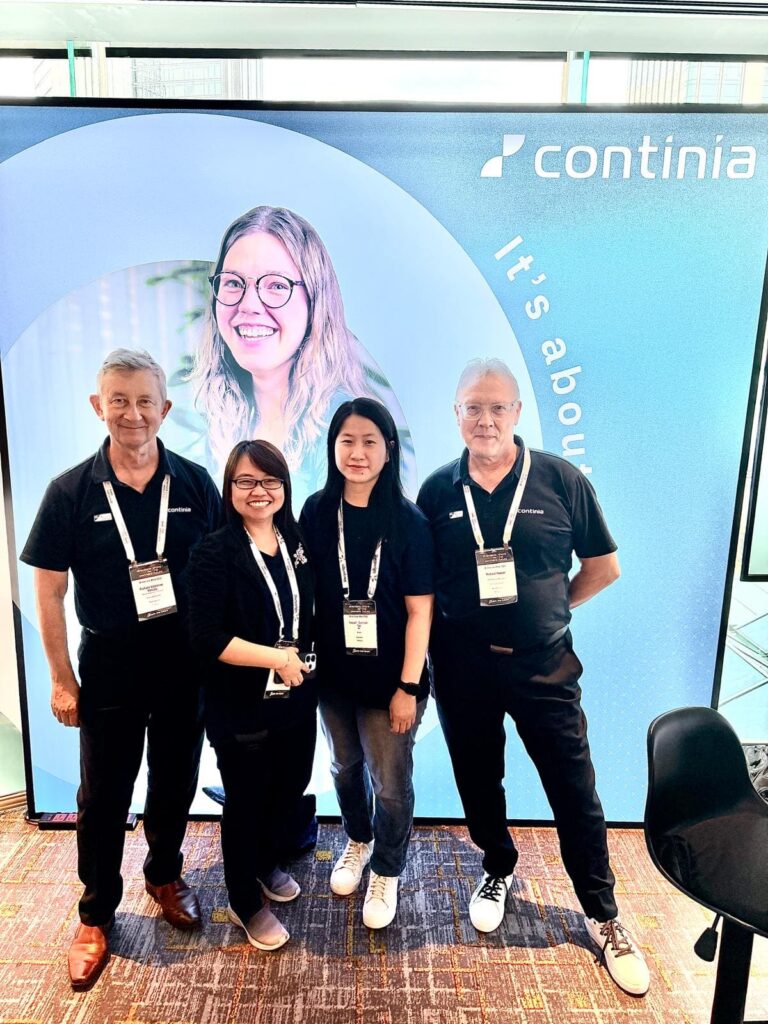
Team Aristou with Continia








Leave a Reply